Annular Solar Eclipse 2026: ‘Ring of Fire’ & Lunar Insights
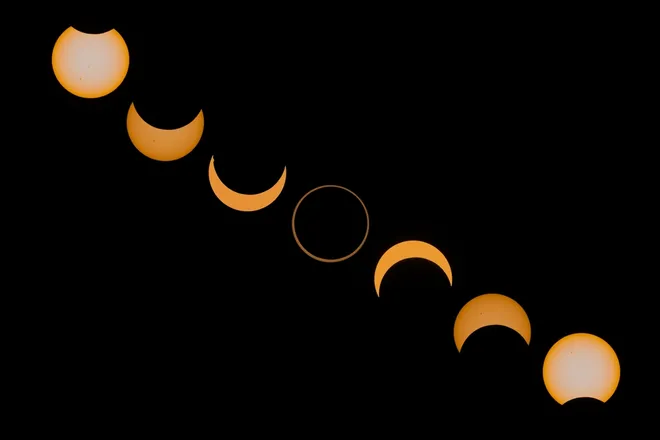
The sky is preparing for a spectacular celestial event in 2026 — an annular solar eclipse, popularly called the “Ring of Fire.” This rare phenomenon occurs when the moon aligns with the Sun and Earth, but is too far to fully cover the Sun, creating a blazing ring around the lunar silhouette. Although its annular phase will be visible primarily over Antarctica, skywatchers in southern South America and Africa will witness partial views.
Eclipses are more than just astronomical events. They bring intense energy, emotions, and opportunities for personal transformation and global change. With the Year of the Fire Horse commencing, this celestial alignment is particularly potent.
Understanding the Annular Solar Eclipse
An annular solar eclipse differs from a total solar eclipse in its appearance and effects:
- Alignment: Sun, Moon, and Earth line up precisely.
- Ring of Fire: The Moon does not fully cover the Sun, leaving a visible ring.
- Partial Visibility: While totality is rare, partial eclipses can be seen from adjacent regions.
- Safety: Always use eclipse glasses to view, even during the annular phase.
The 2026 eclipse occurs on February 17, coinciding with the Lunar New Year, marking a powerful starting point for the Year of the Fire Horse.
When and Where You Can See It
While the full annular phase is limited to remote areas, the event is globally significant:
- Date: February 17, 2026
- Time: Begins at 07:01 UTC
- Maximum Eclipse: Visible in Antarctica
- Partial Eclipse: Southern Chile, Argentina, and South Africa
The path of annularity is narrow, stretching up to 472 miles (759 km), crossing almost entirely over Antarctica’s ice fields. Research stations such as the European-operated Concordia and Russian Mirny Base will experience the perfect “ring of fire” in the sky.
Cultural Significance of the Eclipse
The new moon responsible for this eclipse holds major cultural importance:
- Chinese New Year: Marks the Year of the Fire Horse, symbolizing energy, change, and courage.
- Islamic Calendar: Emergence of the crescent moon on February 18 signals the start of Ramadan.
Thus, the eclipse is not just astronomical — it aligns with spiritual and cultural cycles, enhancing its significance.
The Astrology of the 2026 Solar Eclipse
For astrology enthusiasts, the Aquarius solar eclipse brings deep, transformative energy:
- Humanitarian Themes: Aquarius represents change, innovation, and global awareness.
- Uranus Influence: Uranus in Taurus awakens new ways of thinking, often leading to shifts in society and personal consciousness.
- Political Energy: The eclipse may spark protests, revolutions, or social movements due to a global call for transformation.
- Venus & North Node in Pisces: Encourages calm, rational communication, enabling healing and growth.
Tip: Use this energy consciously to implement positive change rather than reacting impulsively.
How the Eclipse Affects Us Emotionally
Eclipses, particularly when paired with lunar events, influence emotions and mindset:
- Emotional Extremes: Expect heightened sensitivity, meltdowns, and breakthroughs.
- Burnout & Awakening: Use the intensity to release old patterns and embrace new paths.
- Stay Grounded: Focus on your lane; resist reacting to chaos outside your control.
Eclipses remind us: the journey is more important than the immediate outcome.
The Blood Moon Total Lunar Eclipse: March 3, 2026
Two weeks after the annular solar eclipse, the total lunar eclipse — also called the “Blood Moon” — occurs on March 3 in Virgo.
What Happens During a Blood Moon
- The Moon passes through Earth’s shadow, turning a deep red.
- Full lunar exposure highlights hidden truths, secrets, and karmic lessons.
- Coincides with the lunar nodes: North Node in Pisces, South Node in Virgo, emphasizing release and reflection.
Astrological Highlights:
- Karma & Destiny: Time to let go of toxic relationships or situations.
- Accountability: Owning past mistakes accelerates personal growth.
- Jupiter Retrograde in Cancer: Can exaggerate drama; approach situations methodically and calmly.
Pro Tip: Mercury retrograde is active during this eclipse. Verify information, avoid assumptions, and handle misunderstandings with patience.
Using Eclipses to Your Advantage
Astrology suggests that eclipses are portals of energy, offering opportunities for self-growth and transformation. Here’s how to maximize their power:
- Reflect: Identify old patterns, behaviors, or relationships that no longer serve you.
- Release: Let go of grudges, toxic influences, or unproductive habits.
- Set Intentions: Focus on what you want to manifest in the coming months.
- Stay Present: Avoid impulsive reactions; observe events before responding.
- Communicate Wisely: Especially during Mercury retrograde, clarity and patience are essential.
Observing the Eclipse Safely
Even though much of the world won’t see the full ring of fire, you can still participate in the experience:
- Eclipse Glasses: Never look at the Sun without certified protection.
- Partial Views: Visible in southern South America and parts of Africa.
- Virtual Observation: Use live streams or telescopic feeds to witness the event.
- Meditation & Rituals: Even if unseen, connect energetically to the eclipse through intention-setting exercises.
Key Facts About the 2026 Annular Eclipse
- Type: Annular solar eclipse
- Date: February 17, 2026
- Peak Duration: ~2 minutes 20 seconds
- Visibility: Mainly Antarctica; partial in Chile, Argentina, and South Africa
- Significance: Lunar New Year & cultural symbolism
Unlike total solar eclipses, which create complete midday darkness, the annular eclipse offers a subtle yet powerful spectacle, leaving the Sun’s corona visible around the Moon.
The Astrological Pair: Solar & Lunar Eclipses
Eclipses come in pairs, influencing both the Sun and Moon:
| Event | Date | Astrological Focus | Visibility |
| Annular Solar Eclipse | Feb 17, 2026 | Aquarius, Uranus, Fire Horse energy | Antarctica & partial in South America/Africa |
| Total lunar Eclipse | Mar 3, 2026 | Virgo, North/South Nodes, karmic lessons | Antarctica & partial in South America/Africa |
This pair offers a dynamic interplay of energies, encouraging visionary change followed by reflection and release.
Global and Personal Impact
The eclipses of 2026 are not just for personal astrology; they reflect societal shifts:
- Social Change: Aquarius influence can spark collective action.
- Political Awareness: Expect activism, protests, and advocacy.
- Personal Growth: Opportunities to reassess priorities and embrace transformation.
- Emotional Release: Both solar and lunar eclipses amplify feelings, but clarity emerges with conscious effort.
Bottom Line: Whether witnessed physically or spiritually, these eclipses invite reflection, renewal, and conscious action.
How to Prepare for the Eclipses
- Journal Your Intentions: Write down goals, habits, and relationships you want to cultivate or release.
- Meditate on Change: Focus on transformation, using the Aquarius energy to embrace innovation.
- Stay Calm Amid Drama: Jupiter retrograde may intensify conflicts — respond, don’t react.
- Communicate Clearly: Mercury retrograde demands patience in discussions and negotiations.
- Celebrate Cultural Significance: Connect with Lunar New Year and Ramadan observances to align spiritually.
Final Thoughts
The 2026 annular solar eclipse and Blood Moon lunar eclipse are more than natural phenomena — they are cosmic invitations to rethink, renew, and release. From Antarctica’s icy landscapes to the hearts of people worldwide, the eclipses offer intense energy for transformation.
Embrace this “Ring of Fire” not just with your eyes, but with your mind, heart, and spirit. Set intentions, stay grounded, and allow the celestial forces to ignite personal and collective evolution.

About Premium Author
This post has been authored and published by one of our premium contributors, who are experts in their fields. They bring high-quality, well-researched content that adds significant value to our platform.