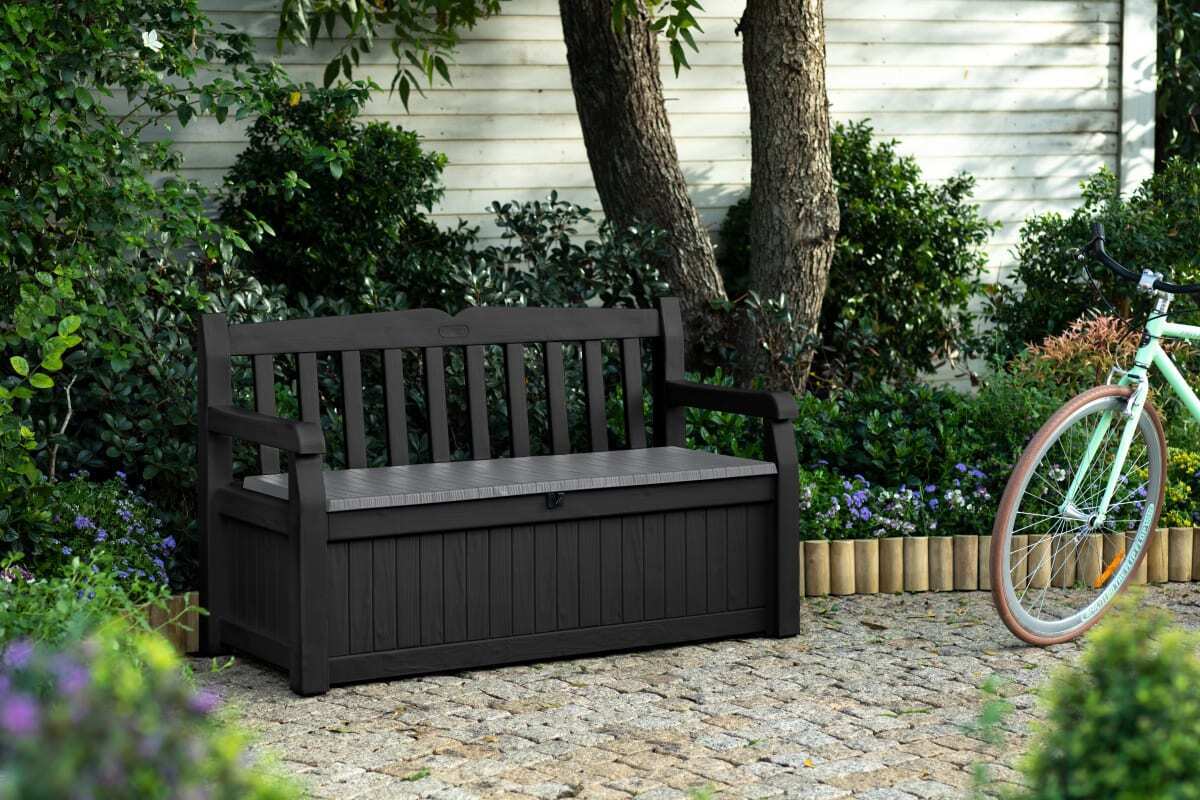
How to Build a Garden Storage Bench from Scratch
If you have a garden in the UK, you already know the struggle — cushions getting damp, tools going missing, plant pots cluttering the patio, and nowhere comfortable to sit while you enjoy a rare sunny afternoon. A garden storage bench solves all of that in one go. It gives you a proper seat and hidden storage underneath, all without spending a fortune at a garden centre.
The best part? You can build one yourself, even if you have never picked up a saw before. This guide will walk you through the whole process, step by step, in plain English. No jargon, no shortcuts, just a straightforward project you can complete over a weekend.
What You Will Need
Before you start, gather everything together. There is nothing more frustrating than stopping halfway through because you are missing a screw or a piece of timber.
Materials:
- Timber — pressure-treated softwood works best for outdoor use in the UK climate. Buy lengths of 75mm x 50mm (3" x 2") for the frame and 100mm x 25mm (4" x 1") for the seat slats and panels
- Exterior-grade plywood (18mm thick) for the base and lid if you want a solid finish
- Stainless steel or galvanised screws (50mm and 75mm)
- Two strong hinges (piano hinge or heavy-duty butt hinges)
- Exterior wood glue
- Sandpaper (medium and fine grit)
- Exterior wood paint, stain, or decking oil
Tools:
- Tape measure and pencil
- Handsaw or circular saw
- Drill and drill bits
- Screwdriver
- Clamps
- Square (to keep things straight)
- Paintbrush or roller
Approximate cost: Around £40–£80 depending on where you buy your timber and whether you already own the tools.
Step 1 — Plan Your Size
Think about where the bench is going to sit and how many people you want it to seat. A standard garden bench is roughly 150cm wide, 45cm deep, and 45cm tall. That is a comfortable height for sitting and gives you a decent storage box underneath.
Sketch it out on paper before you cut anything. Label your measurements clearly. This five-minute job will save you a lot of headaches later on.
Step 2 — Build the Frame First
The frame is the skeleton of your bench. Get this right and everything else will fall into place.
Cut your 75mm x 50mm timber into the following pieces:
- Two side rectangles — each made of two uprights (45cm tall) and two horizontal pieces (45cm long)
- Two long horizontal rails — one for the front and one for the back, both 150cm long, running top and bottom
Lay the side frames flat on the ground. Use your square to make sure every corner is exactly 90 degrees — if it is not square now, the whole bench will look wonky when it is finished.
Drill pilot holes before you screw anything together. This stops the wood from splitting, especially near the ends of a piece. Apply a small amount of exterior wood glue at each joint before screwing it home. This gives you extra strength and helps keep the moisture out.
Once both side frames are done, connect them with the front and back rails. You should now have a solid rectangular box frame. Give it a little shake — if it wobbles, check your joints and tighten anything that needs it.
Step 3 — Add the Base
Cut a piece of your 18mm exterior plywood to fit snugly inside the bottom of the frame. This is where you will store everything, so make sure it sits level. Screw it up through the bottom rails from underneath, or nail it in with galvanised nails.
If you would prefer drainage (useful in a damp British winter), skip the solid plywood and use a few timber slats spaced slightly apart instead. This lets any moisture escape rather than pooling at the bottom.
Step 4 — Clad the Sides and Front
Now it is time to make the bench look like a bench rather than a crate.
Cut your 100mm x 25mm timber into lengths to cover the front and both sides of the frame. Fix them horizontally with screws, working from the bottom up. Leave a tiny gap of about 5mm between each board — this allows the wood to expand and contract as the weather changes, which it certainly will in the UK.
Keep checking with your square as you go. It is easy for things to creep slightly out of line if you are not paying attention.
Step 5 — Make the Lid
The lid is your seat, so it needs to be sturdy enough to take a person's weight without flexing.
You have two options here:
1. Solid plywood lid — Cut an 18mm plywood panel to match the full top dimensions of your bench. Sand the edges smooth. This is the quickest option.
2. Slatted lid — Cut several lengths of 100mm x 25mm timber to run across the width. Space them evenly and screw them onto two support battens underneath. This looks more traditional and is easier to make without a large piece of plywood.
Attach the lid to the back of the bench using your hinges. Fix the hinges to the back rail of the frame first, then lift the lid into position and mark where the hinges need to go on the underside. Drill pilot holes and screw them in firmly.
Open and close the lid several times to make sure it sits flat and swings freely. If it is stiff, check that the hinges are level with each other.
Step 6 — Sand Everything Down
Before you paint or stain, sand the whole bench — frame, cladding, and lid. Start with medium-grit sandpaper to knock off any rough edges or splinters, then go over everything again with fine grit for a smooth finish.
Pay particular attention to any areas where you will be sitting. Nobody wants to snag their trousers on a rough edge.
Wipe away all the dust with a damp cloth and let the wood dry fully before moving on.
Step 7 — Treat and Protect the Wood
This is one of the most important steps for anything going outdoors in Britain. The weather here is unpredictable — warm and sunny one day, wet and windy the next. Without protection, bare timber will absorb moisture, swell, crack, and eventually rot.
You have a few good options:
- Exterior wood paint — gives a clean, solid colour. Apply two or three coats, letting each one dry fully. Dulux, Ronseal, and Sadolin all make reliable outdoor paints.
- Wood stain or decking oil — soaks into the timber rather than sitting on the surface. It shows off the natural grain and is very popular for garden furniture. Reapply once a year to keep it looking fresh.
Apply your chosen finish to every surface, including the underside of the lid and the inside of the box. Do not skip the hidden areas — moisture gets everywhere.
A Few Handy Tips
- Pressure-treated timber already has some rot protection built in, but you should still apply a finish over the top for maximum lifespan.
- Add rubber feet to the base so the bench sits slightly above the patio or decking. This stops water from pooling underneath and helps the wood last longer.
- If you want extra strength in the lid, glue and screw a batten across the underside, running front to back in the middle. This stops the lid from bowing over time.
- Store cushions inside during winter — that is exactly what this bench is built for.
How Long Will It Take?
Most people can complete this project in a single weekend. Day one for cutting, building the frame, and cladding. Day two for fitting the lid, sanding, and applying the first coat of finish. Let it fully dry before you put it to use.
Final Thoughts
Building a garden storage bench from scratch is one of those projects that feels genuinely satisfying when it is done. You have made something useful, something that fits your space exactly, and something that will last for years if you look after it. It costs a fraction of what you would pay in a shop, and you get to choose the size, colour, and style yourself.

About Premium Author
This post has been authored and published by one of our premium contributors, who are experts in their fields. They bring high-quality, well-researched content that adds significant value to our platform.